
What to expect from a single tooth dental implant, step by step
By Julian Cohen · Updated 2026-06-13
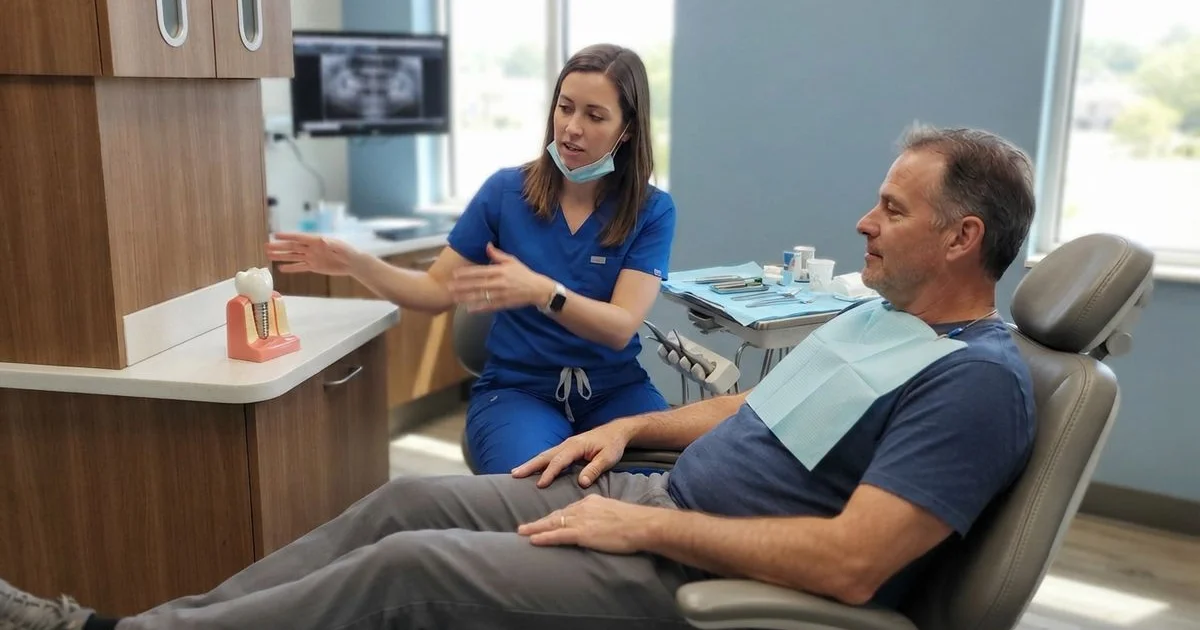
A single tooth implant is the most common procedure covered on this guide, and for good reason: it is the standard fix for one missing or badly damaged tooth. The process has more steps than people expect going in, mostly because bone needs real time to heal properly. Here is what the path typically looks like from first visit to finished tooth.
Step one: evaluation and imaging
Your first appointment usually includes a clinical exam and imaging, often a CBCT scan, to check bone volume and the position of nerves near the implant site. This is also when a provider from the single tooth implants category will tell you whether your case is straightforward or whether extra steps, like a bone graft, are likely needed first.
Step two: extraction, if needed
If the tooth being replaced is still in your mouth but failing, it gets removed before or during the implant process. Some cases qualify for immediate placement, where the implant goes in the same day as extraction. Others need a healing period first, usually a few months, to let the extraction site fill in with bone before an implant can be placed into it.
Step three: implant placement
This is the surgical step: a titanium or zirconia post is placed into the jawbone under local anesthesia, sometimes with added sedation depending on your comfort level and the complexity of the case. The procedure for a single implant typically takes under an hour. You will likely have some swelling and soreness for a few days afterward, manageable with over-the-counter pain relief in most cases.
Step four: healing and osseointegration
This is the longest stretch, usually two to four months, during which the implant post fuses with the surrounding bone. You may wear a temporary crown or a removable partial during this period so the gap is not visible. Follow-up visits let your provider confirm the implant is integrating properly before moving to the next step.
Step five: abutment and final crown
Once healing is confirmed, a small connector called an abutment attaches to the implant post, and a custom crown is placed on top, matched to your natural teeth in shape and color. This stage usually takes one to two visits, and most patients describe it as the easiest part of the whole process.
Timeline at a glance
| Step | What happens | Typical time |
|---|---|---|
| Evaluation | Exam and imaging | 1 visit |
| Extraction (if needed) | Tooth removed, site heals if not immediate placement | 0-4 months |
| Placement | Implant post surgically placed | 1 visit, under an hour |
| Healing | Osseointegration | 2-4 months |
| Restoration | Abutment and crown placed | 1-2 visits |
Caring for the site during healing
The healing months are mostly uneventful, but they are not nothing. Keep the surgical area clean using whatever routine your provider recommends, which may differ from your normal brushing for the first week or two. Avoid chewing directly on the implant site until you are cleared to, since pressure during early healing can disrupt integration. Most practices schedule at least one check-in appointment during this window specifically to catch any problems early, rather than waiting until the final restoration visit to find out something went wrong. If you wear a temporary tooth during this period, treat it gently: it is not built for the same bite force as the final crown, and pushing it too hard can dislodge it before healing underneath is complete.
What to ask before you commit
Ask directly whether your case qualifies for immediate placement or needs a healing period first, since that single answer changes your total timeline by months. It is also worth asking what the plan is if healing does not progress as expected, since a small number of cases need an extra follow-up visit or two before moving on to the crown. Also ask what the temporary tooth situation looks like during healing, since that affects daily life more than most patients expect going in. The Columbia, SC Dental Implants Provider Guide scores providers using our methodology, which covers communication and follow-up care, both of which matter more for implants than for most routine dental work given how many stages are involved.
FAQ
- Do I need the tooth extracted before the implant can go in?
- If the tooth is still present but failing, extraction usually happens first, sometimes with the implant placed the same day and sometimes after a healing period, depending on bone condition at the site.
- How long does a single implant take from start to finish?
- A straightforward case without a bone graft often runs three to six months total, mostly healing time, though the number of appointments involved is usually five or fewer.
- Does getting one implant hurt more than a filling or extraction?
- Most patients report the placement itself as comparable to an extraction, manageable with local anesthesia, with soreness afterward similar to what follows any minor oral surgery.
- What happens between placement and the final crown?
- The implant post needs time to fuse with the jawbone, called osseointegration. During that window you may wear a temporary tooth, and your provider checks healing progress at follow-up visits.