Gum disease and dental implants: what to know before treatment
By Julian Cohen · Updated 2026-06-10
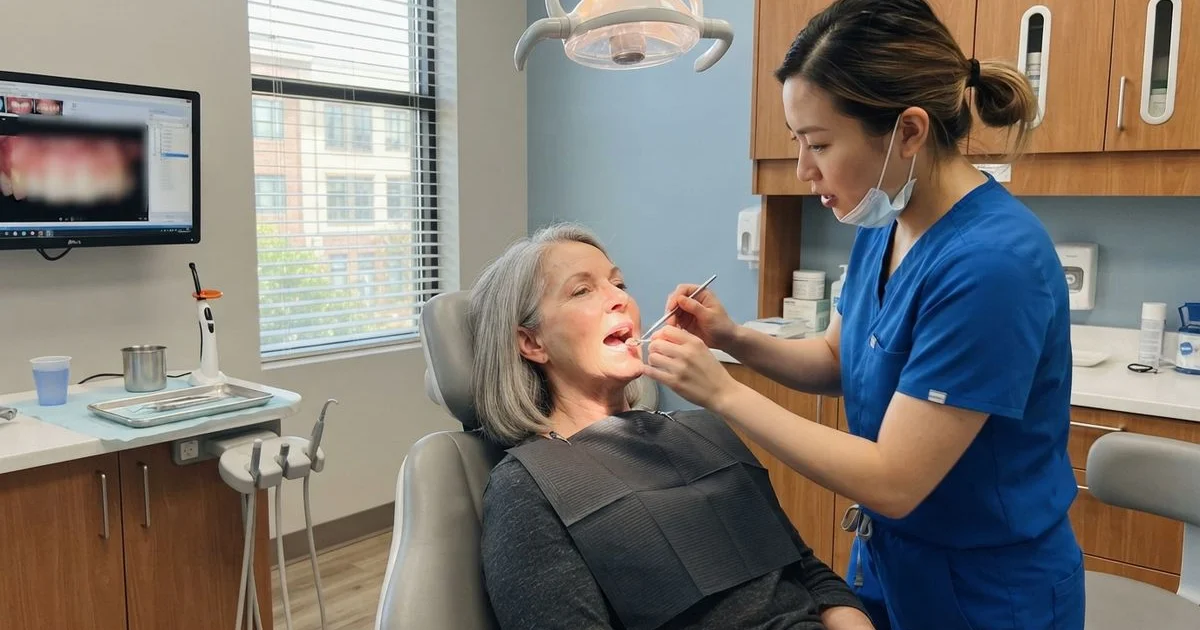
Gum disease is one of the more common reasons people end up needing implants in the first place, since untreated periodontal disease is a leading cause of adult tooth loss. That same disease process, if still active, is also one of the biggest threats to whether a new implant succeeds. Understanding the connection helps you go into treatment planning with realistic expectations rather than surprises.
Why active gum disease delays implant treatment
An implant needs healthy bone and gum tissue to fuse properly, a process called osseointegration. Active periodontal disease means ongoing bacterial infection and inflammation in that same tissue, which undermines the stable environment an implant depends on. Most periodontists and oral surgeons in the periodontics and implant placement category will treat and stabilize gum disease first, then reassess before moving to implant surgery.
Treatment for the underlying gum disease typically starts with a deep cleaning, called scaling and root planing, to remove bacteria below the gumline. More advanced cases may need surgical treatment such as gum grafting or pocket reduction. Only after your periodontist confirms the disease is under control does implant planning usually move forward.
What “under control” actually means
Your provider is looking for a few specific markers before clearing you for implant surgery: reduced pocket depth around remaining teeth, no active bleeding on probing, and stable bone levels confirmed by imaging. This is not a one-time check. Many practices want to see stability over a few consecutive visits before proceeding, since gum disease can flare back up after initial treatment looks successful.
Peri-implantitis: the risk that continues after placement
Even after a successful implant, a history of gum disease raises your long-term risk of peri-implantitis, an inflammatory condition specific to implants that can lead to bone loss around the implant site if left untreated. This is different from gum disease around natural teeth, though the underlying bacterial mechanics are similar. The practical takeaway is that implant maintenance does not end once the crown is placed.
| Risk factor | Effect on peri-implant health |
|---|---|
| History of periodontal disease | Higher long-term risk of peri-implant inflammation |
| Smoking | Reduces blood flow, slows healing, raises failure risk |
| Poor plaque control around the implant | Allows bacteria to accumulate at the implant-gum junction |
| Skipping maintenance visits | Delays catching early inflammation before bone loss starts |
Smoking is one of several health factors that shape implant success beyond gum status; our guide on dental implant candidacy and health factors walks through those in more depth.
Protecting your implant long-term
Regular maintenance cleanings, often more frequent than a standard six-month schedule if you have a periodontal history, are the main defense against peri-implant disease. Daily cleaning around the implant matters as much as it does for natural teeth, sometimes more, since plaque can accumulate at the implant-gum junction in ways that are easy to miss. If you notice bleeding, tenderness, or looseness around an implant, treat it as worth a call rather than something to watch and wait on.
Why treating the gums first pays off later
It can feel like an unwelcome delay to be told your implant plan is on hold while gum disease is treated, especially if you are already dealing with a missing tooth and want the fix underway. But an implant placed into unstable gum tissue is more likely to fail early, sometimes requiring removal and a second attempt later, which costs more time overall than treating the gums properly the first time around. Providers who insist on this sequence are generally protecting the investment you are about to make, not stalling unnecessarily.
Talking to your provider about your history
If you have had gum disease in the past, even if it feels resolved, bring that history to your implant consultation. It shapes both the pre-treatment plan and the maintenance schedule your provider recommends afterward. Our methodology looks at how thoroughly providers communicate about exactly this kind of case history when we score them, since a practice that asks the right questions upfront tends to produce better long-term outcomes. You can browse the full Columbia, SC Dental Implants Provider Guide to compare periodontists and general dentists who handle these cases.
This guide provides general information about gum disease and implant candidacy. It is not a diagnosis or treatment plan, and only a periodontist or dentist who has examined you can determine when you are ready for implant surgery.
FAQ
- Can I get a dental implant if I currently have gum disease?
- Usually not right away. Active gum disease needs to be treated and stabilized first, since implants placed into inflamed or infected gum tissue have a higher failure rate.
- How long does gum disease treatment take before implants can proceed?
- It varies with severity, from a few weeks for mild cases treated with deep cleaning to several months for advanced periodontal disease that needs surgical treatment and a period of monitoring.
- Is peri-implantitis the same thing as gum disease?
- They are related but distinct. Gum disease affects natural teeth; peri-implantitis is inflammation and bone loss specifically around a dental implant, and a history of gum disease raises your risk of developing it.
- Does losing teeth to gum disease automatically mean I am not a candidate for implants?
- No. Many patients who lost teeth to periodontal disease go on to get implants successfully once the underlying gum disease is controlled and bone health is confirmed through imaging.